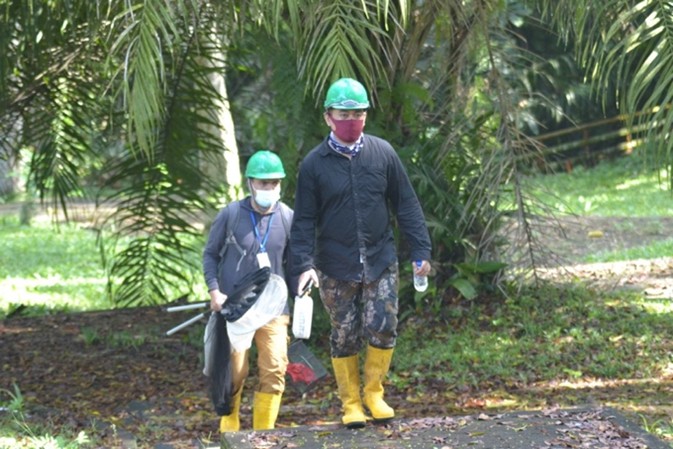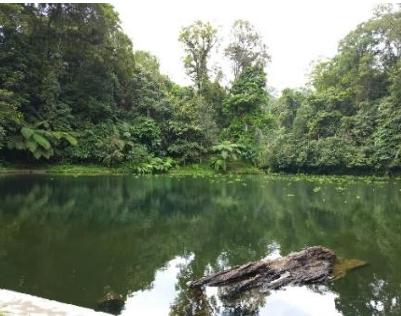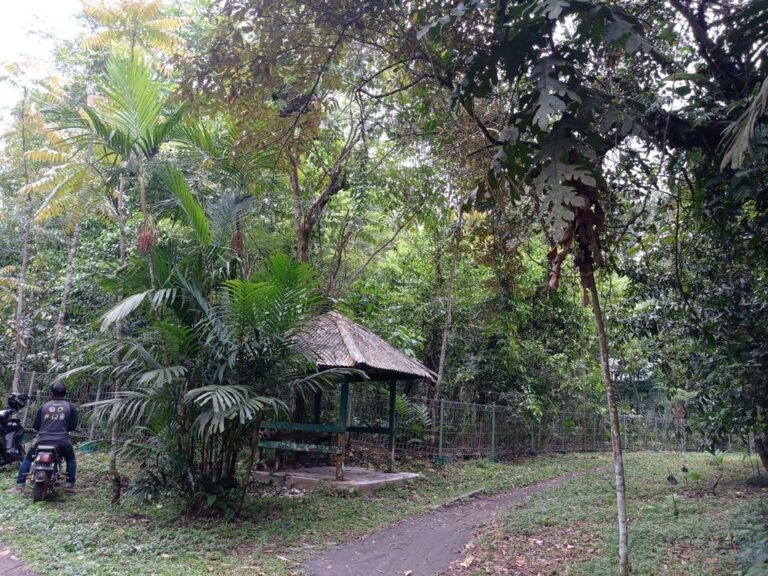


Flora Fauna Nusantara conducted a bird diversity study in the Sumberjati Resort area, Sempolan region, under the management of Perhutani KPH Jember. The research documented 34 bird species inhabiting pine forest and natural forest ecosystems, indicating that the area still maintains relatively stable environmental conditions capable of supporting diverse avian communities.
Bird observations were carried out across different habitat types, demonstrating that both production forests and natural forests continue to play significant ecological roles in sustaining wildlife populations. Several bird species were recorded in considerable abundance, suggesting that the ecosystem still provides suitable resources and habitat conditions for feeding, movement, and breeding activities.
Among the notable findings was the presence of raptor species such as the Crested Serpent Eagle (Spilornis cheela) and the Black-thighed Falconet (Microhierax fringillarius). The occurrence of these predatory birds indicates that ecological food chains within the area remain functional and balanced.
Both raptor species are protected under Indonesian conservation regulations, including the Ministry of Environment and Forestry Regulation No. P.106 of 2018, and are also listed in CITES Appendix II. Their conservation status highlights the ecological importance of the area and the need for continued habitat protection against threats such as habitat degradation and illegal wildlife trade.

Spilornis cheela

Microhierax fringillarius
In addition to raptors, adaptable bird species such as the Cave Swiftlet (Collocalia linchi) were frequently observed across multiple observation sites. This species is known for its ability to survive in various environmental conditions and may reflect the ecological flexibility of the habitat.
The findings emphasize the important role of the Sempolan area as a habitat for bird conservation and as a supporting ecosystem for protected wildlife. Sustainable management and conservation efforts are therefore essential to maintain biodiversity and ecological stability in the region.