
Research by Flora Fauna Nusantara (FFN) in the Garahan Forest area documented diverse bee species from the family Apidae, highlighting their important ecological roles as natural pollinators within forest ecosystems.
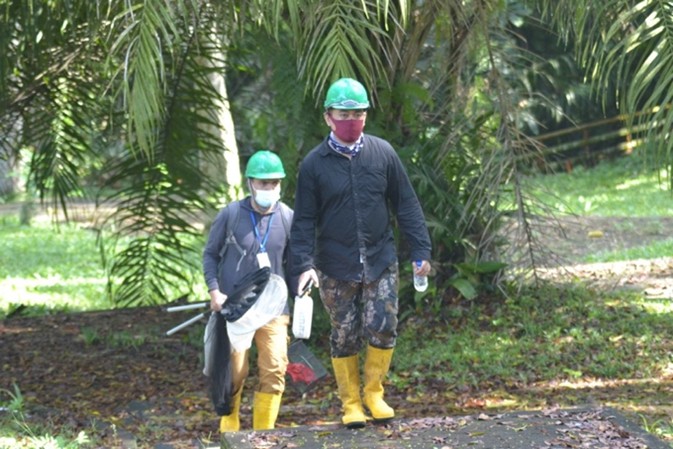
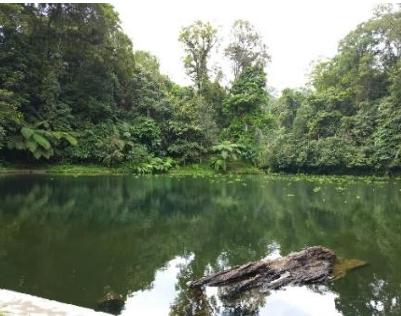
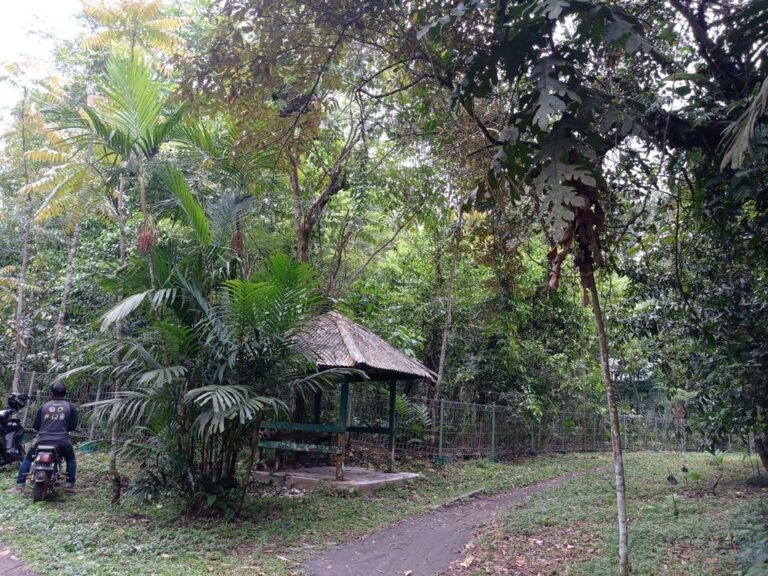
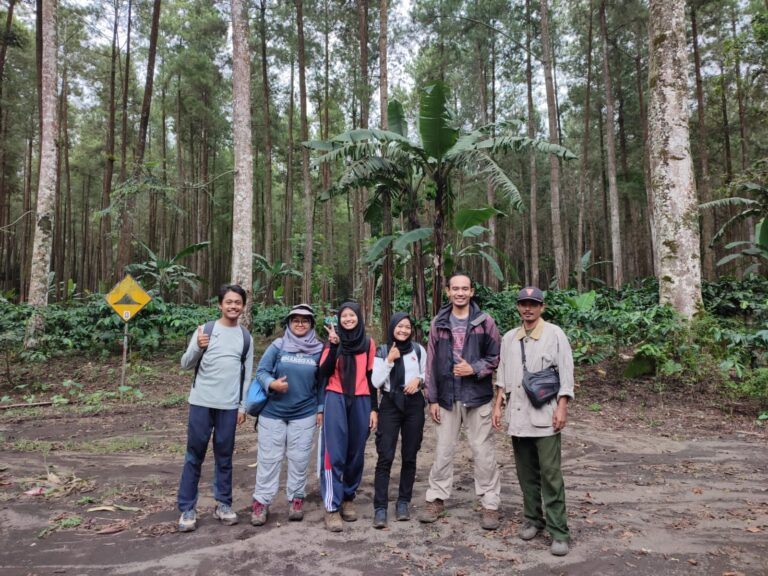
Research conducted by the Flora Fauna Nusantara (FFN) team in the Garahan Forest Management Resort area under the Perhutani Forest Management Unit of Jember revealed that the forest still functions as an important habitat for various bee species belonging to the family Apidae. Through observations carried out at several sampling points, the research team documented 8 bee species with relatively abundant populations.
The existence of bees within forest ecosystems is highly important. Besides acting as natural pollinators, bees also contribute to maintaining ecosystem stability through their interactions with flowering vegetation. These findings indicate that the Garahan forest area continues to provide habitat conditions and food resources that support pollinator communities.
Interestingly, the bee species recorded during the research were not only dominated by social bees such as Apis cerana, but also included solitary bees such as Xylocopa and Ceratina, each possessing different ecological roles in pollination activities.
List of Recorded Bee Species
- Apis cerana
- Xylocopa confusa
- Xylocopa laticeps
- Amegilla andrewsi
- Hypotrigona scintillans
- Hypotrigona terminata
- Ceratina cognata
- Thyreus nitidulus
💡 Interesting Insight
Not all bee species possess stingers. Some bees, such as Hypotrigona, are categorized as stingless bees that are harmless to humans while remaining highly effective as pollinating agents for various plant species.
Bees are often recognized as essential supporters of ecosystem sustainability because a large proportion of global food production depends on pollination services provided by insects, especially bees.
These findings demonstrate that the Garahan forest ecosystem still maintains environmental quality capable of supporting bee populations as natural pollinators. Therefore, conserving flowering vegetation and minimizing habitat disturbance remain important efforts in maintaining long-term forest ecosystem sustainability.