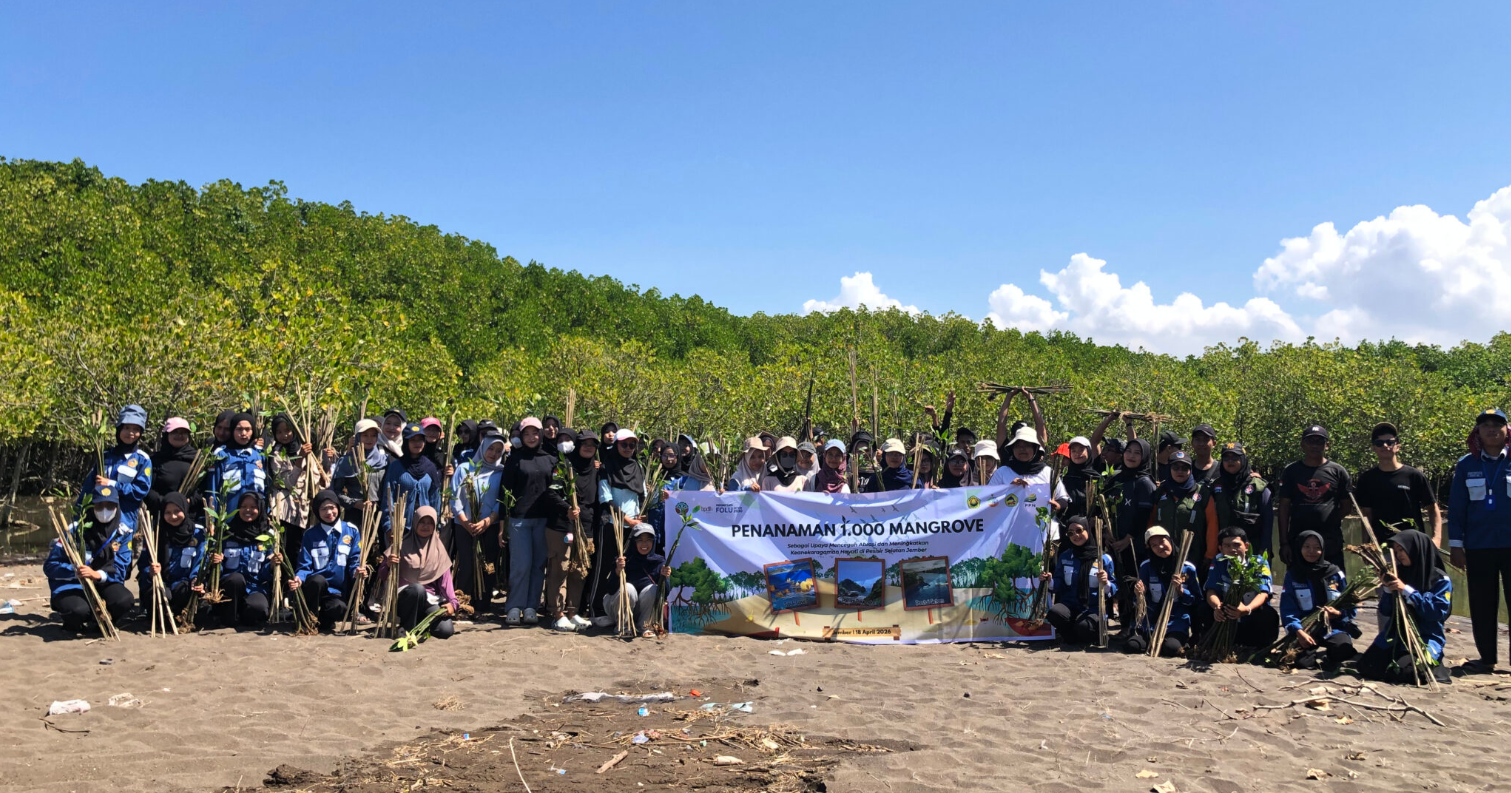

Flora Fauna Nusantara (FFN) has successfully launched a coastal restoration project by planting 1,000 Rhizophora apiculata seedlings across three strategic locations in Jember. This initiative not only protects the ecosystem from erosion but also empowers the younger generation through early-age conservation education
As part of our unwavering commitment to preserving Indonesia’s vital coastal ecosystems, Flora Fauna Nusantara (FFN) recently spearheaded a comprehensive conservation action titled “Green Shield for Jember.” The mission focused on planting 1,000 mangroves to mitigate coastal abrasion and bolster biodiversity across the Southern Coast of Jember—specifically at Payangan Beach, Teluk Love, and Getem Beach.
A Strategic Ecological Barrier These coastal areas are currently facing intense environmental pressures, including rising sea levels and land-use changes. By planting Rhizophora apiculata, FFN aims to establish a natural barrier that serves as a sediment trap and a vital habitat for marine life and migratory birds.
The distribution of the 1,000 seedlings was carried out collaboratively with local communities:
Getem Beach: 300 seedlings
Payangan Beach: 350 seedlings
Teluk Love: 350 seedlings
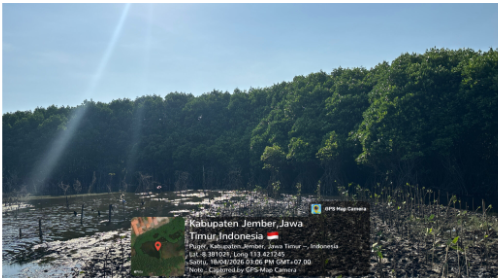
Getem Beach
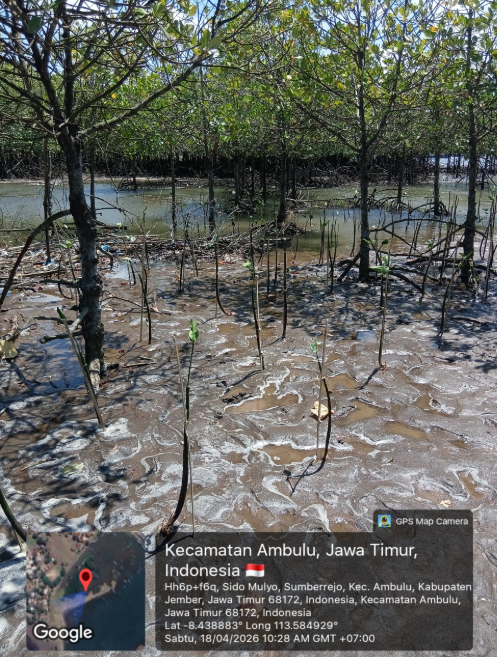
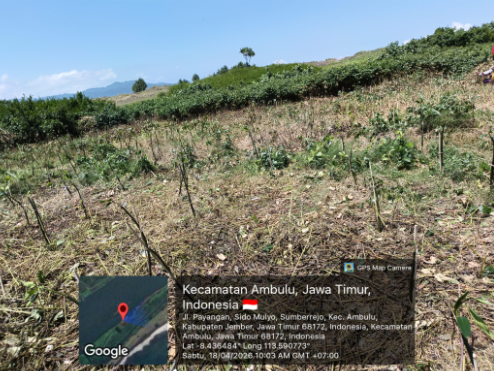
Love bay
Payangan Beach
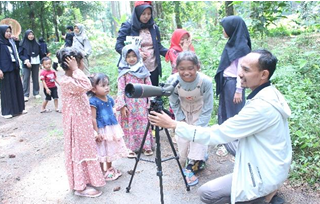
Beyond Planting: Educating the Future Custodians We believe that conservation is a lifelong journey. Therefore, FFN integrated a special session at Mojomulyo 2 Elementary School in Puger. Through interactive storytelling and hands-on demonstrations, we introduced young students to the critical role mangroves play in protecting their homes from the sea.
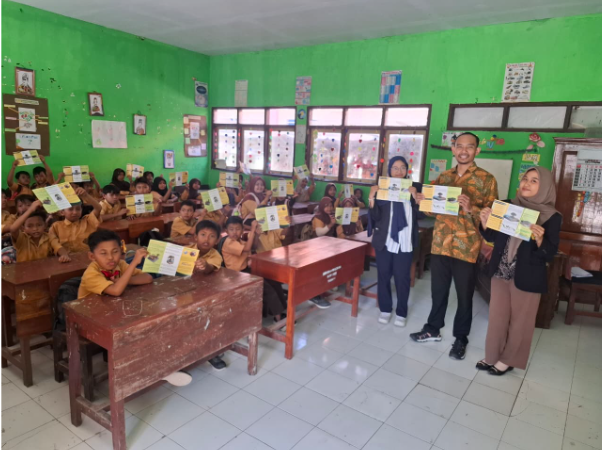
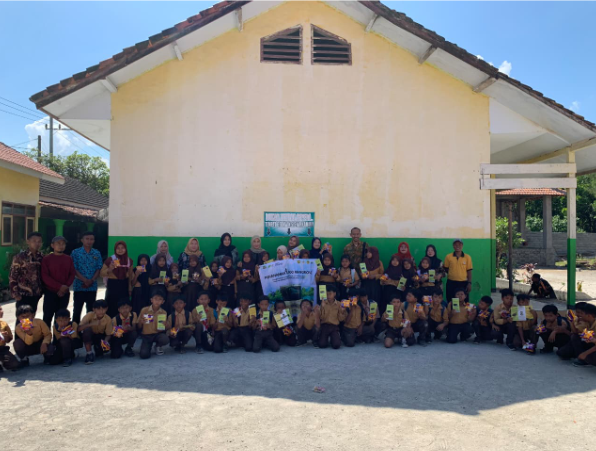
Education on the Importance of Mangroves at SDN 02 Mojomulyo, Puger
Why It Matters Jember’s coastline is a crucial stopover for migratory birds. By increasing the vegetation cover, FFN is not just planting trees; we are restoring a global flyway and securing the livelihoods of local fishermen who depend on a healthy marine ecosystem.
This activity is more than just a ceremonial gesture—it is the first step in building a collective movement for sustainable coastal management. At Flora Fauna Nusantara, we believe that protecting the environment today is about planting hope for a resilient tomorrow.