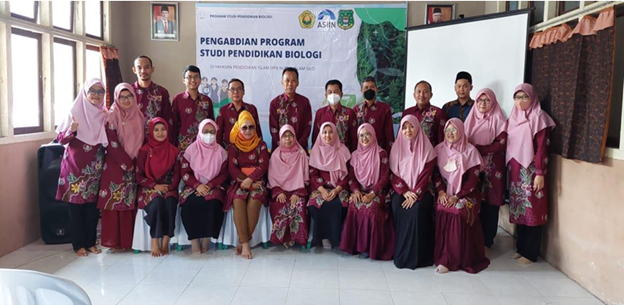

As part of its commitment to biodiversity education and community engagement, the Flora Fauna Nusantara (FFN) team organized a workshop on preserved animal specimen techniques for teachers at SMA Negeri Rambipuji. The activity aimed to strengthen teachers’ capacities in creating more engaging and practice-based Biology learning experiences in schools.
The workshop opened with introductory sessions discussing biodiversity conservation, the educational value of preserved specimens, ethical aspects of specimen collection, and basic preservation methods commonly applied in biological studies. Through these sessions, participants gained a broader understanding of how preserved specimens can function as effective and interactive learning media.
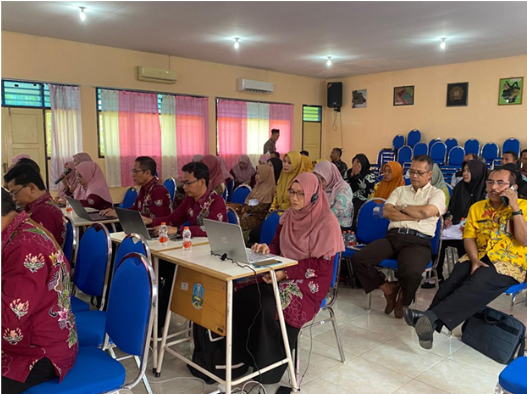
Material Presentation Activities (Workshop)
In addition to theoretical discussions, participants were directly involved in specimen preservation simulations. Teachers practiced several preservation stages, including specimen selection, wet and dry preservation methods, and proper storage procedures to maintain specimen durability and quality.
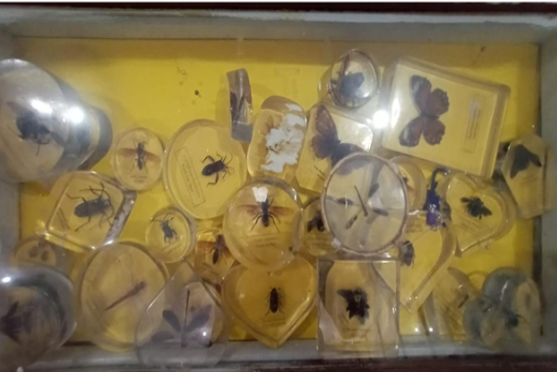
During the activity, various preserved specimens were successfully prepared, including insects, fish, and small reptiles. These materials are expected to support future classroom instruction and laboratory-based learning activities.
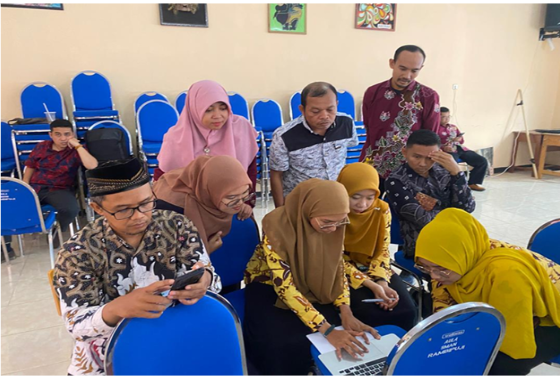
Simulation Activity
Specimen Preservation Results
In addition to preservation practice, the teachers also developed lesson plans based on preserved specimens. The learning materials designed during the workshop covered topics such as:
- Biodiversity
- Animal adaptation
- Ecosystems and interactions among living organisms
The workshop demonstrated that specimen-based learning approaches can help students understand biological concepts more effectively through direct observation and hands-on experiences.
As a continuation of the program, the FFN team also provided mentoring and monitoring through online communication to support the implementation of the workshop outcomes within school learning activities.
Through programs like this, FFN hopes to encourage more innovative science education while fostering greater awareness of biodiversity conservation among both teachers and students.