
Research conducted by Flora Fauna Nusantara (FFN) at Grajagan Resort, Alas Purwo National Park, documented diverse butterfly species across forest and coastal habitats, highlighting the ecological importance of the area for biodiversity conservation.
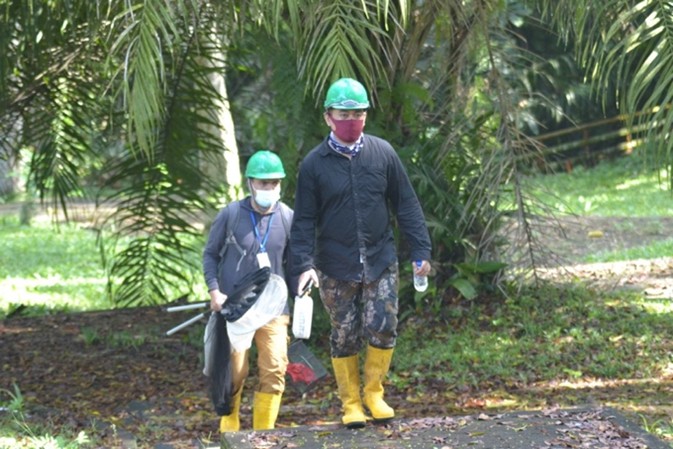
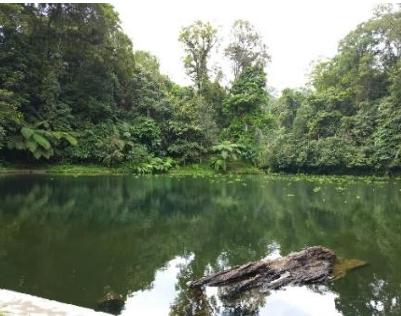
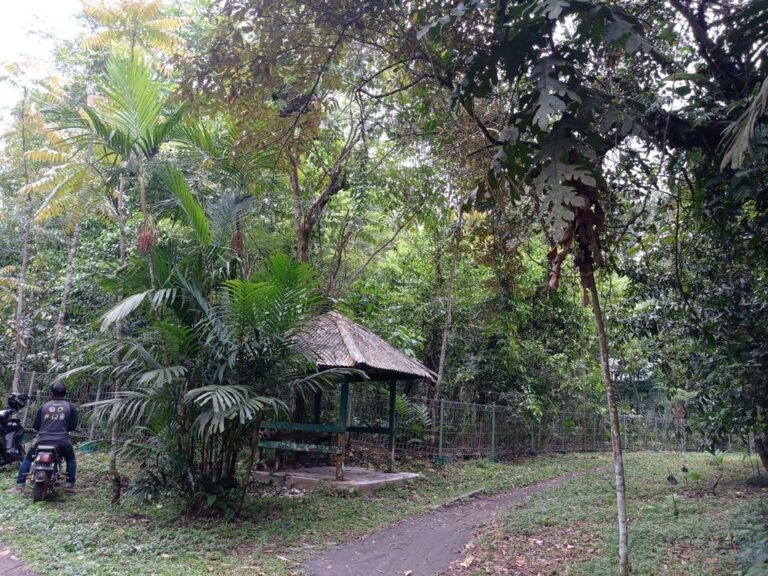
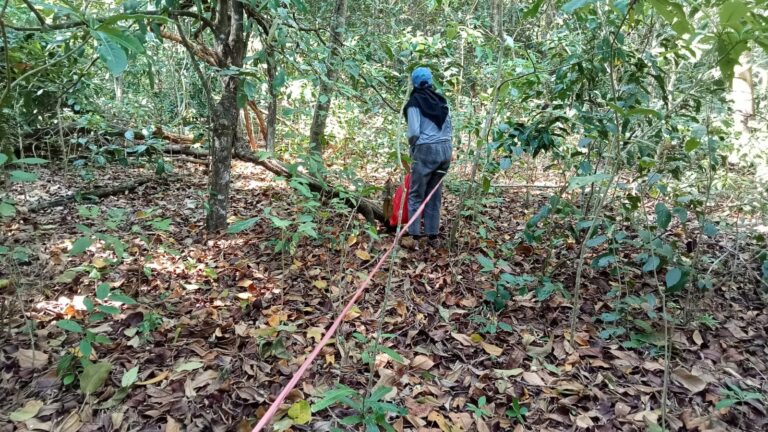
Flora Fauna Nusantara (FFN) continues to support biodiversity documentation efforts in Indonesia through a butterfly diversity study conducted at Grajagan Resort, Alas Purwo National Park, Banyuwangi. Conducted in 2022, the research explored several habitat types, including lowland forest, beach forest, and savanna transition forest.
Butterflies play important ecological roles as natural pollinators and bioindicators of environmental quality. The diversity and abundance of butterfly species within an area often reflect ecosystem stability and habitat condition.
The study documented 9 butterfly species belonging to 3 major families: Nymphalidae, Pieridae, and Papilionidae. The recorded species included:
- 🦋 Ideopsis juventa
- 🦋 Euploea tulliolus
- 🦋 Junonia almana
- 🦋 Danaus affinis
- 🦋 Leptosia nina
- 🦋 Eurema hecabe
- 🦋 Cepora iudith
- 🦋 Catopsilia pomona
- 🦋 Papilio polytes
Among the recorded groups, the family Nymphalidae was the most frequently encountered during the observations. Members of this family are widely recognized for their adaptability to various tropical habitats, including both forested and open environments.
💡 Fun Fact
Junonia almana, commonly known as the Peacock Pansy, possesses large eye-like patterns on its wings that function as a defense mechanism against predators. When the wings are fully opened, the markings resemble the eyes of a much larger animal.
Meanwhile, Papilio polytes is well known for its remarkable mimicry ability. Female individuals of this species can imitate toxic butterfly species to avoid predation, despite being harmless themselves.
Grajagan Resort is considered one of the ecologically important areas within Alas Purwo National Park due to its unique combination of forest and coastal ecosystems. The diversity of habitats within the area supports the survival of various butterfly species and other wildlife communities.
Through research activities such as this, FFN continues contributing to biodiversity documentation while also encouraging greater public awareness regarding the importance of conserving Indonesia’s natural ecosystems.