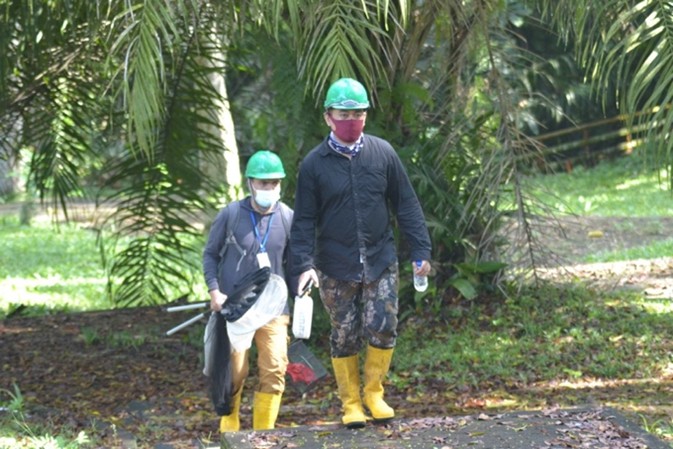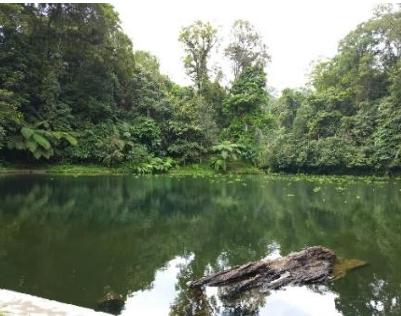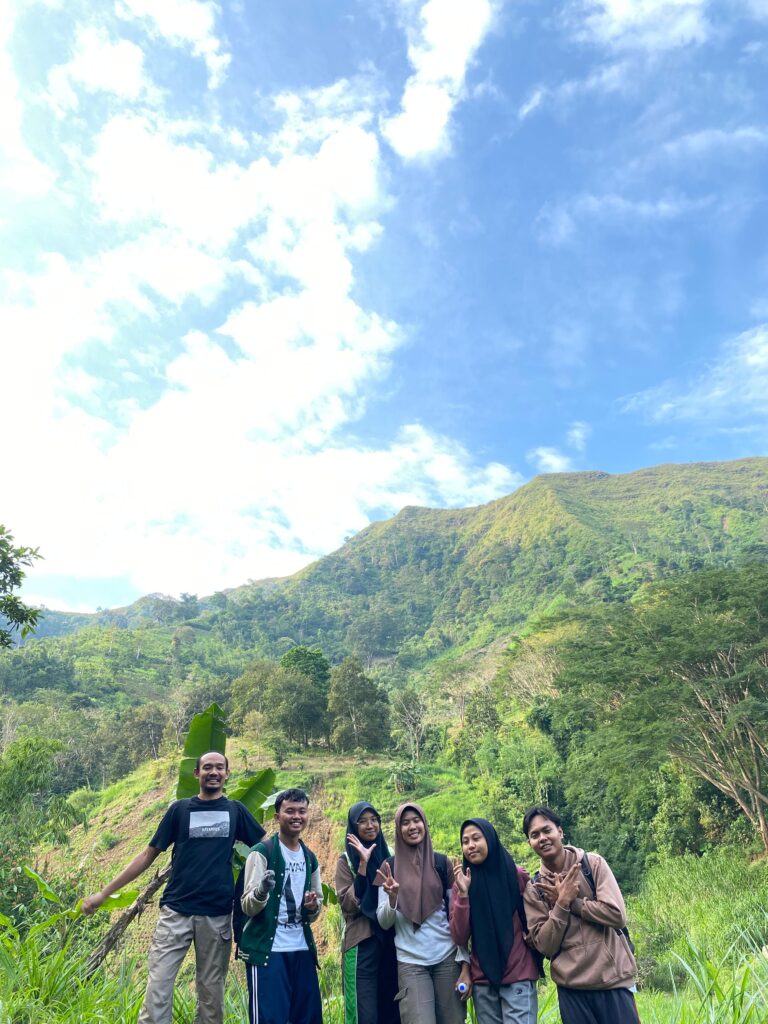
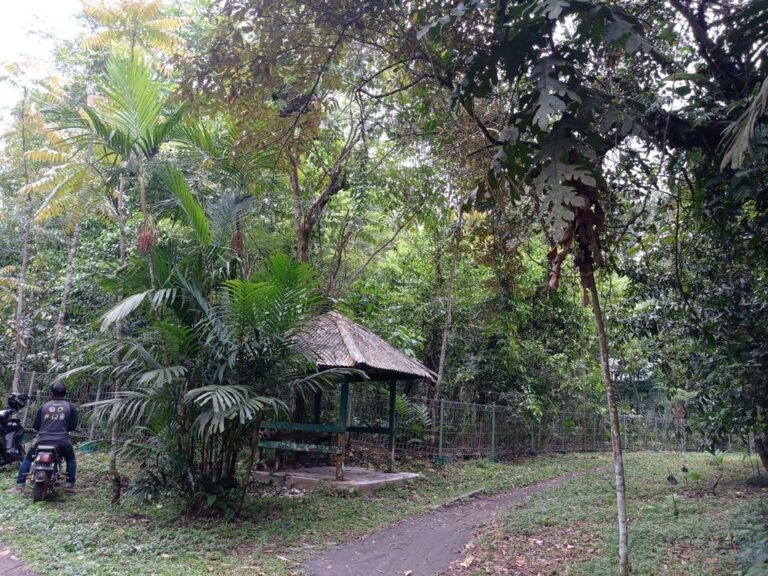

The 2021 eruption of Mount Semeru left a significant impact on the surrounding landscapes. However, nature is fighting back. Recent surveys conducted by Flora Fauna Nusantara (FFN) in the Ranu Darungan Resort area show that the freshwater ecosystems are successfully recovering, as evidenced by the return of various dragonfly and damselfly species (Odonata).
Bioindicators of Pristine Water Dragonflies are widely recognized as natural bioindicators. Because they spend their larval stage in water, their presence—especially species that prefer shaded and clean streams proves that the aquatic ecosystems in Ranu Darungan remain healthy despite the previous volcanic activity.
Recorded Dragonfly Species:
- Neurothemis ramburii
- Orthetrum glaucum
- Orthetrum pruinosum
- Orthetrum sabina
- Orthetrum testaceum
- Trithemis festiva
- Tholymis tillarga
- Paragomphus reinwardtii
- Anax guttatus
- Vestalis luctuosa
- Ischnura aurora
- Ischnura senegalensis
- Pseudagrion pruinosum
- Coeliccia membranipes
- Copera marginipes
- Euphaea variegata
- Heliocypha fenestrata
Spotlight on Javan Endemics
Our team successfully documented two species endemic to Java Island, which are highly sensitive to environmental changes:
Paragomphus reinwardtii: Typically found perching on rocks near clean, flowing stream
Heliocypha fenestrata: Known for its striking metallic colors that shimmer under sunlight.
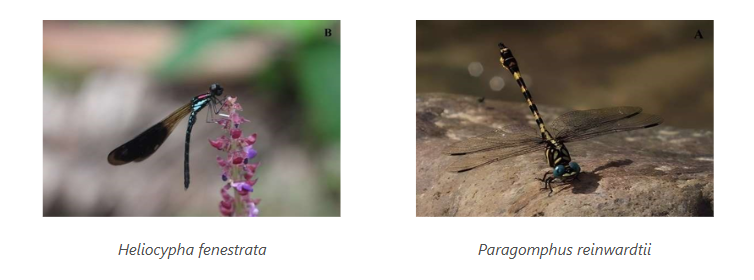
The return of these specialist fauna indicates that the microhabitats within Bromo Tengger Semeru National Park are well-preserved. By monitoring these “guardians of the water,” FFN provides essential data to ensure that conservation efforts continue to support the natural restoration of this volcanic landscape.